DBT: Dialectical Behaviour Therapy
Introduction to DBT: Dialectical Behavioural Therapy
DBT is closely related to CBT, and was initially developed by Marsha Linehan for individuals with Borderline Personality Disorder who cope with distressing emotions and situations by using self-destructive behaviours such as self-harm, substance abuse and eating disorders. DBT is now being used for treating other mental health problems.
Individuals learn more helpful coping skills to deal with distressing emotions and situations, and to improve their relationships.
Dialectics is the theory that opposites can co-exist. In therapy, different points of view are discussed, and clients are then helped to select appropriate skills to either change or accept situations.
Learn effective DBT & CBT skills online
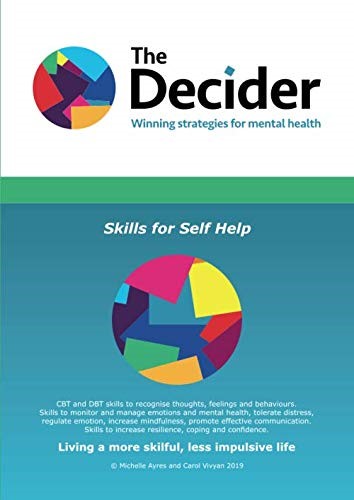
The Decider Skills For Self Help online course
The Decider Therapeutic Skills
Online Training For Professionals
Wise Mind
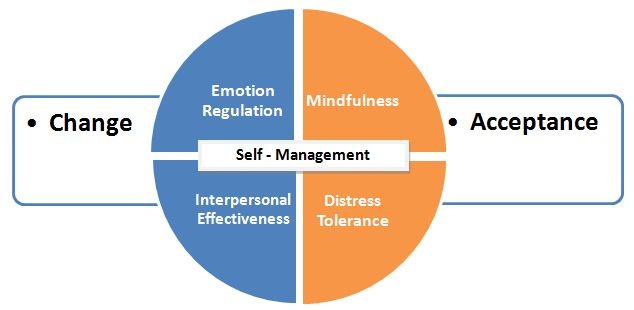
DBT uses the theory of Wise Mind (Linehan 1993) - the part of our mind where 'Emotional Mind' (thoughts based on our feelings) and 'Reasonable Mind' (rational thinking part) merge together.
Emotion Mind
- Thinking and behaviour controlled by emotional state
- Thoughts are unhelpful and distressing
- Difficult to think logically and rationally
- Facts are distorted to fit with current distress
- Opinions
- Strong emotions drive strong behaviour
- What I want to do
Reasonable Mind
- Intellectual, scientific
- Logical and rational thinking
- Factual thinking, based on evidence
- Able to plan how to respond
- Focuses attention
- Cool in approaching problems
- What I should do
Wise Mind
- Integrates Emotion Mind and Reasonable Mind
- Adds intuitive knowing to emotional distress and logical analysis
- The calm that follows a storm
- Sees or knows something directly and clearly
- Grasps the bigger picture, rather than just parts
- Ensures needs of both Emotion Mind and Reasonable Mind are met: Reasonable Mind is right, but Emotion Mind needs to be soothed
- What's the most appropriate and effective skills that I could use for this situation?
When we feel upset or distressed, we normally react automatically, without thinking about the consequences. And we can often get into the habit of using unhelpful and often self-destructive behaviours to help us cope. These may include:
- Self-harm including cutting or taking overdoses
- Under or over-eating
- Using or relying on drugs and alcohol
- Depending on physical exercise
- Sleeping too much, or opting to sleep rather than address problems
- Focusing on illness and physical pain rather than the real issues
When we use these self-destructive coping behaviours, we often then get caught up in thinking we're bad for doing them, which makes us feel even worse, and may make us more likely to keep on doing them. A vicious cycle.
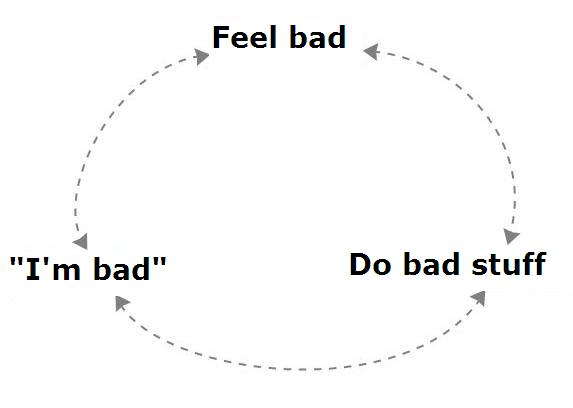
In order to break that cycle, we can learn to do doings differently, including learning new healthy coping skills which will help us feel better about ourselves and others, and learning to understand and see our thoughts differently.
Learn effective DBT & CBT skills online
The Decider Skills For Self Help online course
The Decider Therapeutic Skills
Online Training For Professionals
More Information:
Dealing With Distress Worksheet
Dealing With Distress Worksheet 2
Dealing With Distress - an introduction to healthy coping strategies (Distress Tolerance, Mindfulness, Emotion Regulation & Interpersonal Effectiveness webpages combined in one 36 page downloadable booklet)
Creating The Bridge To Middle Ground - explaining dialectics
Books
DBT Skills Training Handouts and Worksheets

The Dialectical Behavior Therapy Skills Workbook: Practical DBT Exercises for Learning Mindfulness, Interpersonal Effectiveness, Emotion Regulation ... Tolerance

DBT Made Simple: A Step-by-Step Guide to Dialectical Behavior Therapy
The Expanded Dialectical Behavior Therapy Skills Training Manual: Practical DBT for Self-Help, and Individual & Group Treatment Settings

BOOKS WE LOVE