Anxiety Self Help
Self help guide for Anxiety, using effective CBT strategies. Make sense of your anxiety, then learn how to make positive changes
OCD Panic Disorder Health Anxiety PTSD Social Anxiety GAD & Worry Phobias
Anxiety Self Help - this page as PDF
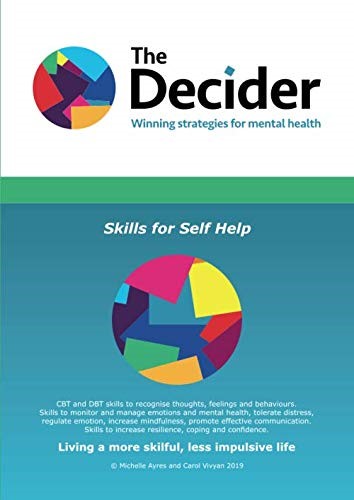
Learn effective skills online - The Decider Skills for Self Help online course.
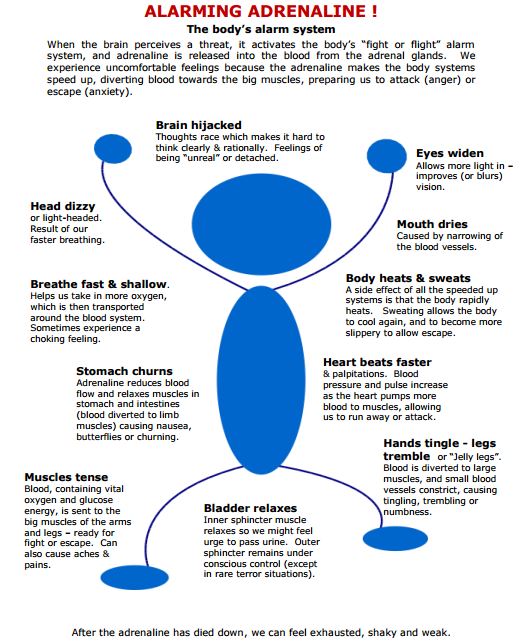
 Anxiety is the body's way of responding to being in danger. Adrenaline is rushed into our bloodstream to enable us to run away or fight. This happens whether the danger is real, or whether we believe the danger is there when actually there is none. It is the body's alarm and survival mechanism. Primitive man wouldn't have survived for long without this life-saving response. It works so well, that it often kicks in when it's not needed - when the danger is in our heads rather than in reality. We think we're in danger, so that's enough to trigger the system to go, go, go!
People who get anxious tend to get into scanning mode - where they're constantly on the lookout for danger, hyper-alert to any of the signals, and make it more likely that the alarm system will be activated.
Anxiety Thoughts - I'm in danger right now
The worst possible scenario is going to happen
I won't be able to cope with it
Physical Sensations - The Adrenaline Response
When there is real, or we believe there is a real, threat or danger, our bodies' automatic survival mechanism kicks in very quickly. This helps energise us to fight or run away ('fight or flight response'). The action urge associated with anxiety is to escape or avoid. We will therefore notice lots of physical sensations.
Adrenaline: Click to enlarge
Anxiety Behaviours
-
Avoiding people or places
-
Not going out
-
Going to certain places at certain times, e.g. shopping at smaller shops, at less busy times
-
Only going with someone else
-
Escape, leave early
-
Safety Behaviours: Go to the feared situation, but use coping behaviours to get you through, such as: holding a drink, smoking more, fiddling with clothes or handbag, avoiding eye contact with others, having an escape plan, taking medication. Safety behaviours can also help to keep your anxiety going. Whilst you depend on them to help you cope, you don't get to find out that without them, the anxiety would reduce and go away on it's own.
Whilst avoiding people or situations might help you feel better at that time, it doesn't make your anxiety any better over a longer period. If you're frightened that your anxiety will make you pass out or vomit in the supermarket aisle, you won't find out that won't actually happen, because you don't go. So the belief that it will happen remains, along with the anxiety.
Vicious Cycle Of Anxiety
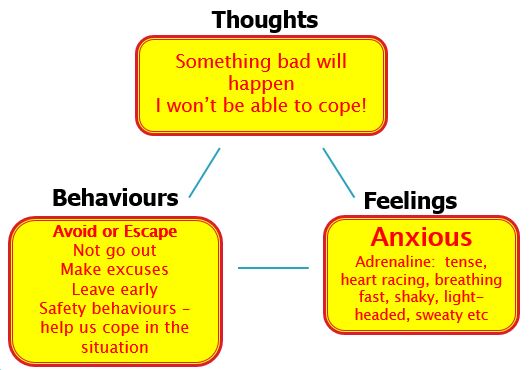
We all feel anxious some times. A certain amount of anxiety helps us to be more alert and focused. For example, just prior to an exam, a few exam nerves have a positive effect - motivating us, helping us focus our thoughts on the job in hand, making us more alert. Too much anxiety, or constantly being anxious, is unhealthy and detrimental to our lives and relationships.
Vicious Cogs of Anxiety
By looking at the "cogs" that keep the central problem going, we can target and make positive changes in each of the cogs, which will at least, slow down, and at best, stop, the central problem, for example:
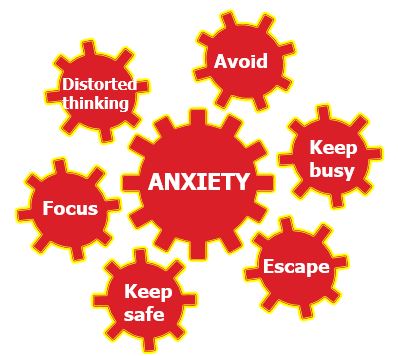
Print a blank Cogs PDF and fill in the factors that keep your anxiety going.
Anxiety Self Help VIDEO
Identify your triggers
What or when are the times when you are more likely to get anxious? If you can see the patterns, then maybe you can do something about those situations, and do something different. See Overcoming Avoidance.
-
Certain places?
-
Certain people?
-
Anytime, anyplace?
-
See certain things?
-
Hear certain things?
-
Think ahead to certain situation?
DOING THINGS DIFFERENTLY
If avoiding situations and using safety behaviours helps to maintain our anxiety over the long-term, then it makes sense that learning to confront it might be uncomfortable in the short-term, but will help us take control and helps us feel better over time.
Make a plan to gradually do the things you normally avoid. For instance if you normally avoid going out to big social events at work, then start with a small dinner at a restaurant where you feel more comfortable, with few close colleagues - not the annual Christmas party! Whilst it will feel uncomfortable, you will learn that you can enjoy these events, and that the anxious feeling does go away.
Make a hierarchy of fears. If you have a fear of particular types of places (e.g. lifts), then you could start by listing different particular places (smaller, bigger lifts, taller, smaller buildings, glass walls or enclosed etc). You could start by standing next to a lift for a couple of minutes each day for a couple of weeks, then slowly build up to standing in the doorway with the doors open, then to getting in the lift without the doors closing, then to letting the doors close before opening them again, then to going up one floor etc. You can use breathing techniques or self-talk (challenging your unhelpful thoughts and repeating more realistic thoughts) to get you through these times. See Overcoming Avoidance
FACE Fear and Avoidance - VIDEO
If you normally depend on 'safety behaviours' to help you cope, then list them in order of importance, then start by dropping or not doing the least important, and gradually work your way up over time.
What to do when you feel anxious
STOPP Pause, take a breath, don't react automatically
THINKING DIFFERENTLY
Ask yourself
-
What am I reacting to?
-
What is it that I think is going to happen here?
-
What's the worst (and best) that could happen? What's most likely to happen?
-
Am I getting things out of proportion?
-
How important is this really? How important will it be in 6 months time?
-
Am I overestimating the danger?
-
Am I underestimating my ability to cope?
-
Am I mind-reading what others might be thinking?
-
Am I believing I can predict the future?
-
Is there another way of looking at this? What's the helicopter view?
-
What advice would I give someone else in this situation?
-
Am I putting more pressure on myself?
-
Just because I feel bad, doesn't mean things really are bad.
-
What do I want or need from this person or situation? What do they want or need from me? Is there a compromise?
-
What would be the consequences of responding the way I usually do?
-
Is there another way of dealing with this? What would be the most helpful and effective action to take? (for me, for the situation, for others)
Visualise yourself successfully coping with the situation that you feel anxious about. See it through to a successful completion.
How to deal with the physical sensations of anxiety
Counteract the body's adrenaline response - it's readiness for action, by using that energy healthily.
-
Practice calming or mindful breathing - this one act alone will help reduce the physical sensations, emotions and intensity of thoughts.
-
Visualisation: Colour breathing. Breathe in blue (for calm) and breathe out red.
-
Go for a walk, run or cycle, or maybe do some gardening or housework.
There are different kinds of Anxiety Disorders, so it might be helpful to identify if one of these fits for you:
-
Health Anxiety: constantly worrying about having a serious illness
-
Generalised Anxiety Disorder (GAD): Constant worry about everything, "what if...?"
-
Obsessive Compulsive Disorder (OCD): intrusive thoughts mean I must check or do rituals
-
Panic Disorder : Repeated panic attacks
-
Phobias: Fear of particular situations
-
Post Traumatic Stress Disorder: Flashbacks, anxiety and anger relating to trauma
-
Social Anxiety: anxiety in social situations, fear of being criticised by others
Self Help Video using STOPP
Self Help mp3s to reinforce or as stand-alone therapy
Anxiety Resources
ACHIEVING FUTURE SUCCESS mp3 (Anxiety about Future Situations)
Female voice, with music.
21 mins 15s 2.50
2.50 

MASTER ALARMING ADRENALINE mp3
(Physical sensations of Anxiety)
Female voice, with music.
19 mins 40s2.50
MASTER ALARMING ADRENALINE mp3
(Panic & Health Anxiety version)
Female voice, with music.
26 mins2.50

THE WORRY TREE mp3
(for dealing with worry)
Female voice, with music.
28 mins 502.50

TOLERATING UNCERTAINTY mp3
(for Generalised Anxiety Disorder)
Female voice, with music.
22 mins2.50

OVERCOMING OCD
(Obsessive Compulsive Disorder)
Female voice, with music.
28 mins
2.50

SUCCESSFUL SOCIAL SITUATIONS mp3
(Overcoming Shyness & Social Anxiety)
Female voice, with music.
25 mins2.50
MASTER ALARMING ADRENALINE mp3
(Physical sensations of Anxiety)
Male voice, with music.
27 mins2.50
MASTER ALARMING ADRENALINE mp3
(Panic & Health Anxiety)
Male voice, with music.
33 mins 50s2.50

ACHIEVING FUTURE SUCCESS mp3
(Anxiety about Future Situations)
Male voice, with music.
27 mins2.50
OVERCOMING OCD
(Obsessive Compulsive Disorder)
Male voice, with music.
38 mins
v2.50
SUCCESSFUL SOCIAL SITUATIONS mp3
(Overcoming Shyness & Social Anxiety)
Male voice, with music.
30 mins 30s2.50

SIMPLY SLEEP mp3
Male voice, with music.
36 mins 30s
3
No wake up instructions at end. Use withSleep - Self Help info

POSITIVE PRESENTATIONS mp3
(Anxiety about Public Speaking)
Male voice, with music.
25 mins2.50


Self Help Books
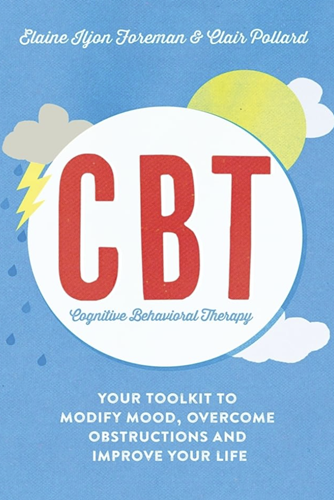
The Anxiety and Worry Workbook: The Cognitive Behavioral Solution

Overcoming Anxiety: A Books on Prescription Title

Overcoming Anxiety, Stress and Panic: A Five Areas Approach, Third Edition

Overcoming Anxiety For Dummies: Introduction to Coping with Anxiety
Overcoming Anxiety Self Help Course in 3 vols: A Self-help Practical Manual Using Cognitive Behavioral Techniques
The Complete CBT Guide for Anxiety

Free Yourself From Anxiety: A self-help guide to overcoming anxiety disorders

Resources
Self Help Video using STOPP
Self Help mp3s to reinforce or as stand-alone therapy
Anxiety Resources
ACHIEVING FUTURE SUCCESS mp3 (Anxiety about Future Situations)
Female voice, with music.
21 mins 15s2.50
MASTER ALARMING ADRENALINE mp3
(Physical sensations of Anxiety)
Female voice, with music.
19 mins 40s2.50
MASTER ALARMING ADRENALINE mp3
(Panic & Health Anxiety version)
Female voice, with music.
26 mins2.50
THE WORRY TREE mp3
(for dealing with worry)
Female voice, with music.
28 mins 502.50
TOLERATING UNCERTAINTY mp3
(for Generalised Anxiety Disorder)
Female voice, with music.
22 mins2.50
OVERCOMING OCD
(Obsessive Compulsive Disorder)
Female voice, with music.
28 mins
2.50
SUCCESSFUL SOCIAL SITUATIONS mp3
(Overcoming Shyness & Social Anxiety)
Female voice, with music.
25 mins2.50
MASTER ALARMING ADRENALINE mp3
(Physical sensations of Anxiety)
Male voice, with music.
27 mins2.50
MASTER ALARMING ADRENALINE mp3
(Panic & Health Anxiety)
Male voice, with music.
33 mins 50s2.50
ACHIEVING FUTURE SUCCESS mp3
(Anxiety about Future Situations)
Male voice, with music.
27 mins2.50
OVERCOMING OCD
(Obsessive Compulsive Disorder)
Male voice, with music.
38 mins
v2.50
SUCCESSFUL SOCIAL SITUATIONS mp3
(Overcoming Shyness & Social Anxiety)
Male voice, with music.
30 mins 30s2.50
SIMPLY SLEEP mp3
Male voice, with music.
36 mins 30s
3
No wake up instructions at end. Use withSleep - Self Help info
POSITIVE PRESENTATIONS mp3
(Anxiety about Public Speaking)
Male voice, with music.
25 mins2.50
BOOKS WE LOVE